

When a pipe bursts in a Ballantyne high-rise or a summer storm tears shingles from a Cornelius lakefront building, the first question unit owners ask is who pays. North Carolina condo insurance answers that question through two policies: the HOA master policy covering the building and common elements, and the individual HO6 policy covering selected unit-owner property and liability exposures that the master policy leaves to the owner, subject to its own terms and exclusions.
The division between those two policies is rarely as clean as owners assume, and the gaps tend to appear only after a claim has been filed. Costs are also climbing. A statewide average base rate increase of 7.5% for homeowners policies, including HO6 condo coverage, took effect on June 1, 2026. That change makes it more important than ever to buy the right protection rather than duplicate coverage or leave expensive exposures uninsured. For Charlotte and Lake Norman owners, the details matter: master policy language, loss assessment limits, and the value of interior finishes all determine whether a claim ends with a repaired unit or an unexpected bill.
Understanding North Carolina Condo Insurance and HO6 Policy Basics
North Carolina condo insurance is a two-part arrangement in which the HOA master policy insures the building exterior and common areas, while the unit owner's HO6 policy protects personal property, personal liability, and the interior "walls-in" structure, including flooring, cabinetry, fixtures, and any improvements the owner or prior owners have made.
A standard HO6 policy is generally organized into several coverage parts, and each one addresses a distinct exposure:
- Dwelling (Coverage A): Interior walls, floors, built-ins, and improvements not insured by the master policy
- Personal Property (Coverage C): Furniture, electronics, clothing, and other belongings
- Loss of Use (Coverage D): Additional living expenses when a covered loss makes the unit uninhabitable
- Personal Liability (Coverage E): Injuries to guests or damage the owner causes to neighboring units
- Loss Assessment: The owner's share of association costs following a covered loss
In the 2026 Charlotte market, the average annual cost for HO6 insurance is approximately $1,900. That figure varies widely depending on dwelling limits, deductibles, and the building's master policy structure.
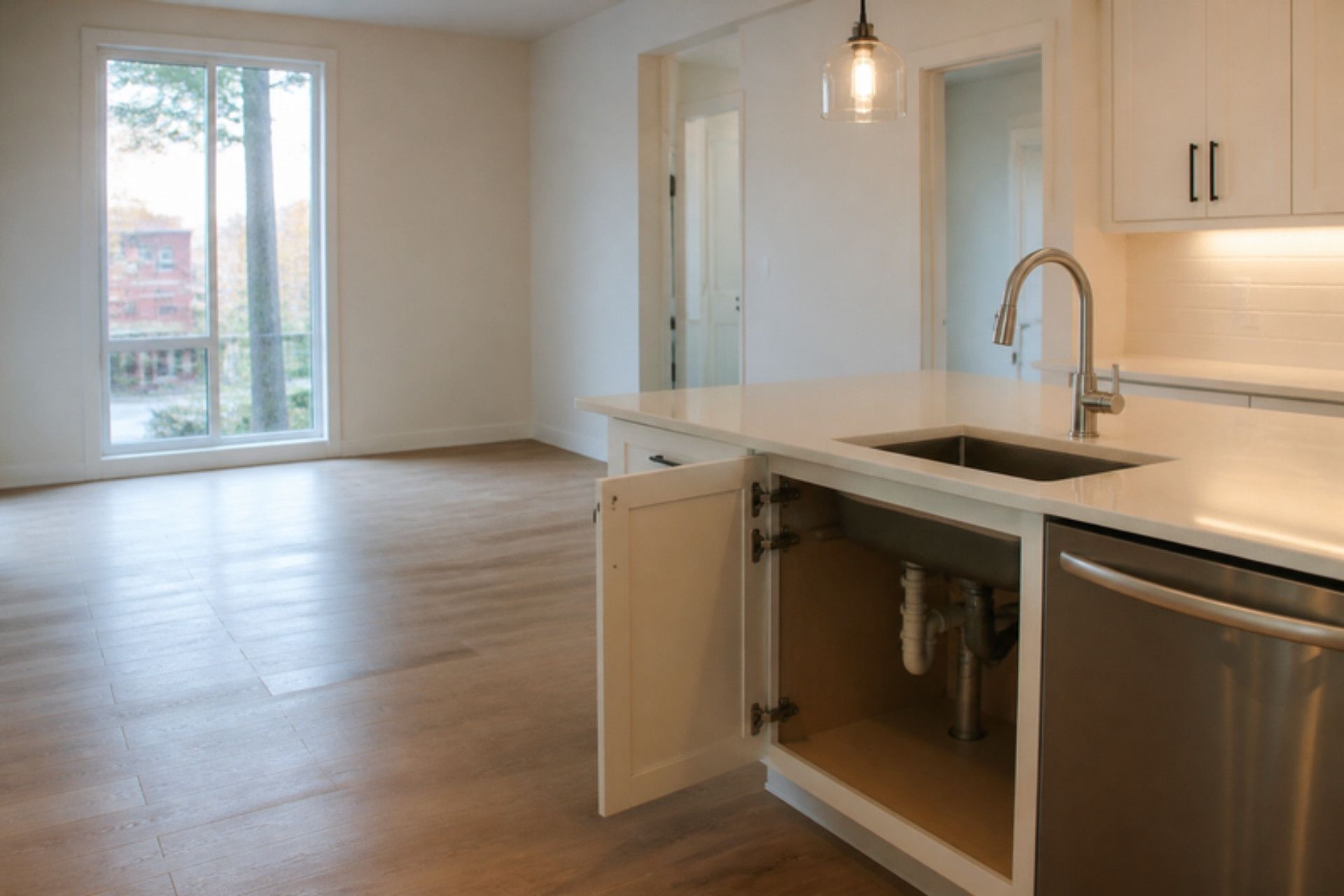
Reading Your HOA Master Policy: Bare Walls vs All-In Coverage
Reading your HOA master policy is the only reliable way to determine where the association's coverage ends and your HO6 responsibility begins. North Carolina master policies generally fall into bare walls, original specifications, or all-in categories, and each one shifts a different share of interior risk onto the unit owner.
The North Carolina Condominium Act, codified in Chapter 47C of the General Statutes, requires associations to maintain property insurance on the common elements and liability coverage for the association. Where the Act's insurance provisions apply, association property insurance for buildings containing units with horizontal boundaries must, to the extent reasonably available, include the units themselves, but need not include improvements and betterments installed by unit owners. Applicability can differ for older condominiums, and the governing declaration and the master policy then define how far coverage extends into individual units. Two buildings on the same street in Huntersville can therefore have very different insurance obligations for their owners, so the association should confirm its obligations.
Under a bare walls approach, the owner is responsible from the studs inward, which means drywall, flooring, cabinets, and plumbing fixtures all fall to the HO6 policy. An all-in policy covers the shell, original finishes, and owner improvements. Such policies are considered rare in North Carolina, so few owners should assume their building has one. A common client mistake is relying on a verbal description from a board member rather than requesting the actual declarations page and policy language from the property manager.
Comparison of Master Policy Types
| Coverage Type | Master Policy Covers | Unit Owner Must Insure |
|---|---|---|
| Bare Walls | Building shell, roof, common areas | Drywall, flooring, cabinets, fixtures, upgrades, belongings |
| Original Specifications | Shell plus interior finishes as originally built | Upgrades beyond builder grade, belongings |
| All-In | Shell, original finishes, and owner improvements | Belongings, liability, loss assessment |
Loss Assessment Limits After Coastal and Wind Claims
Loss assessment coverage pays a unit owner's share of costs billed by the association, most often the master policy deductible after a major wind or storm claim. Because many master policies carry percentage-based wind deductibles, a standard $1,000 limit is rarely enough to cover the assessment that follows.
The scenario is common across North Carolina. A hurricane remnant or severe thunderstorm damages roofs across a complex, the association files a claim, and the master policy deductible runs well into six figures. The board then divides that deductible among the owners according to the declaration, and each owner receives an assessment that may be several thousand dollars or more.
Owners in Charlotte and Lake Norman sometimes assume that wind deductibles are only a coastal concern. That assumption creates real exposure, because inland storms, hail, and fallen trees produce the same type of association claim. One thing to keep in mind is that some HO6 policies limit how much of an assessment tied to a deductible they will pay, so the policy language deserves the same scrutiny as the limit itself.
A practical approach is to request the master policy deductible amount, estimate the owner's percentage share, and select a loss assessment limit that reflects that realistic figure. For many buildings, that means limits measured in the tens of thousands rather than the default.
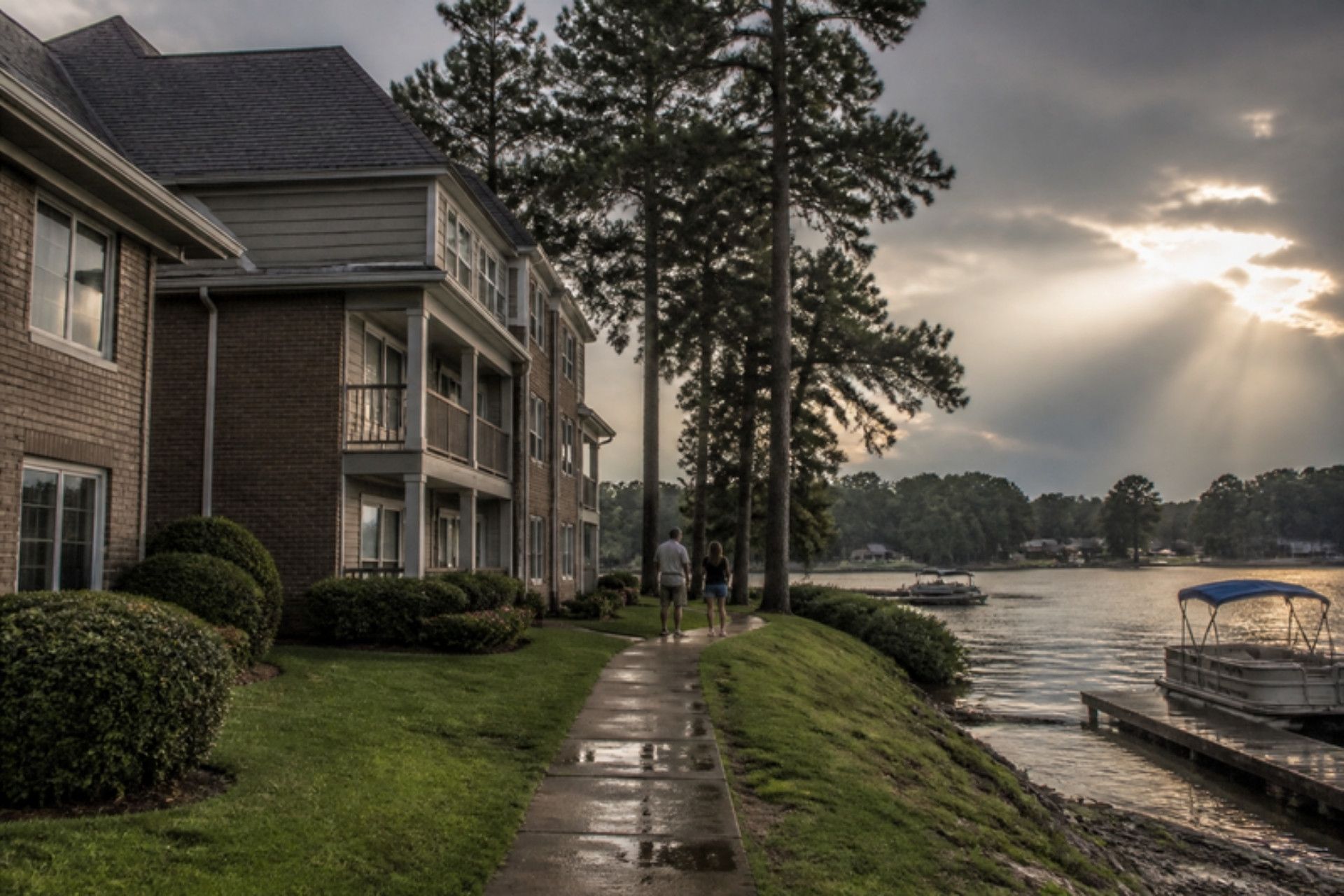
Walls-In Coverage for Charlotte and Lake Norman Condos
Walls-in coverage for Charlotte and Lake Norman condos must reflect the real replacement cost of interior upgrades. Hardwood floors, quartz countertops, and custom cabinetry installed after construction typically fall outside the master policy, so the HO6 dwelling limit must be high enough to rebuild them.
Upscale condos in South End, Uptown, and along the Lake Norman shoreline in Cornelius and Mooresville frequently feature improvements that far exceed builder grade. When a water heater fails or a dishwasher line leaks, the resulting damage can require removal of flooring across an entire floor plan, along with drywall and lower cabinets. If the HO6 dwelling limit was set at a nominal default figure, the owner absorbs the difference.
Local pricing pressure adds to the challenge. Territory 340, which includes the City of Charlotte and Mecklenburg, Iredell, and Union counties, falls under the statewide average rate caps established in the 2026 settlement. The June 2026 increase was the second phase of a 15% total increase negotiated between state regulators and the Rate Bureau. Owners who document upgrades with receipts and photographs are in a stronger position to set accurate limits and support a claim.
Common Questions About North Carolina Condo Insurance
These questions reflect the issues condo owners in the greater Charlotte area raise most often. The answers are brief, but each one points to a specific coverage decision that should be reviewed against the actual HO6 and master policy language.
Do I need insurance if my HOA has a policy?
Yes. The master policy does not cover personal belongings or personal liability, and it often excludes interior finishes, so an HO6 policy fills those gaps. Many lenders also require one.
How much loss assessment coverage should I buy?
Start by learning the master policy deductible and your percentage share under the declaration. The limit should cover that realistic assessment, which is usually far more than $1,000.
Does my policy cover water leaks from the unit above?
Damage to your interior and belongings is typically handled by your HO6 policy, subject to your deductible. Your carrier may then pursue the responsible owner's insurer.
Is my storage unit covered?
Many HO6 policies extend personal property coverage to items in an assigned storage space, though some apply a reduced limit. The policy language should be confirmed before storing valuable items.
Will my rates keep rising?
The Rate Bureau is prohibited from filing for another homeowners increase until June 1, 2027, which provides some stability for owner-occupied policies.
What if I rent out my condo?
Non-owner-occupied units are rated differently, and a 5% average statewide increase took effect on October 1, 2026, with another 5% scheduled for October 1, 2027.
Making the Right Choice for Your North Carolina Condo
The right condo coverage begins with a careful reading of the master policy, followed by HO6 limits matched to interior upgrades and realistic loss assessment exposure. An independent agent familiar with the North Carolina Condominium Act can identify gaps before a claim exposes them.
O'Connor Insurance Associates has served Charlotte as an independent agency since 2000. That longevity matters with condo coverage, because the details vary from one building to the next. Rather than offering a single carrier's product, the agency compares options from multiple insurers and designs coverage around each building's declaration, master policy type, and deductible structure. The process emphasizes questions and education, so owners understand what the association covers and what remains their responsibility.
O'Connor Insurance Associates is a licensed North Carolina insurance agency (license #7014004). Condo owners in Highland Creek, Huntersville, Cornelius, Concord, and throughout the region can request a policy review by calling 704-510-8884 or visiting the office at 1973 JN Pease Place, Suite 203, Charlotte, North Carolina 28262. Bringing a copy of the HOA master policy to that conversation turns an uncertain arrangement into a clearly defined plan.
Coverage descriptions are general. Policy terms, exclusions, limits and underwriting determine coverage.
Last updated:
On this page
O’Connor Insurance Associates is fully licensed to provide personal and commercial insurance solutions for individuals, families and businesses across North Carolina.
We proudly serve families and business owners from our office in Charlotte, North Carolina. As an independent, family-owned agency since 2000, our team works with more than one insurance company to make sure homeowners, drivers, contractors, landscapers, small businesses and other personal and commercial clients receive coverage that fits their real risks.

About the Author
President & Founder
I’m Terry O’Connor, President and Founder of O’Connor Insurance Associates. I grew up in Pennsylvania, earned my bachelor’s degree at Edinboro University and my master’s at Gannon University, and in 1998 I traded snow for sunshine and moved to Charlotte. In January 2000, I started this agency on my own because I wanted to help people protect what matters most to them. More than two decades later, we’ve grown into an independent agency serving families and businesses across North Carolina, and we’ve been recognized as an IIABA Best Practices Agency every year since 2010, a distinction held by fewer than 1% of agencies nationwide.
I’ve seen firsthand how the right protection can change a family’s or a business owner’s life, and that’s why I lead with empathy, education and honest advice. As an independent agent, I work for you, not for one insurance company. I take the time to explain your options in plain language, and when you call our office, you reach a real person who knows your account.
Outside the office, you’ll usually find me outdoors hunting or fishing, or on the mat coaching wrestling as an assistant varsity coach at Mallard Creek High School. I’m also a proud supporter of the arts, usually in the front row cheering on my daughter in local theater productions. I’d be glad to review your coverage with you. Call me at 704-510-8884 or email terry@oianc.com.
Relationships are the real measure
What our North Carolina clients say.
5.0 / 5
185 reviews on Google
Personal insurance
For the life you’re making.
Your home, your car, your time away. Let’s look at the whole picture.
Business insurance
For the business you’re building.
From established local companies to growing teams, we help make the coverage conversation clearer.
Your work deserves a closer look
Different businesses.
Different conversations.
We take time to understand what happens in your business every day.

Landscaping

Manufacturers

Technology Companies

HVAC Insurance

Electricians Insurance

Food Manufacturers
A little clarity goes a long way
Good questions.
Straight answers.
Have something else on your mind?
What does an independent insurance agency do?
An independent agency helps you compare options from more than one insurance company. We start with your needs, explain the differences and help you make an informed decision.
What can O’Connor help me insure?
Our team works with personal and business insurance, life and disability coverage, and Medicare options. Tell us what you need, and we’ll connect you with the right person.
Where does your agency serve clients?
We are based in Charlotte and serve clients across North Carolina. If your business operates in more than one state, call us to discuss your locations and coverage needs.
How do I get an insurance quote?
Start with the contact form or call 704-510-8884. We’ll ask about your situation and any current coverage, then review available options. Submitting a request does not bind coverage.
Can you help with an existing policy or claim?
Yes. Our Client Center page connects you with policy service, billing and claims options. You can also call during office hours for help finding the right next step.
What should I know before switching insurance?
Compare coverage, limits, exclusions and effective dates, not just the price. Speak with your agent before canceling an existing policy so you can coordinate the transition.
From our desk to yours
A little knowledge goes a long way.



Get a Quote
Let’s protect what you’re building.
Tell us a little about yourself. We’ll help you take the next step with a clearer picture of your options.
1973 J.N. Pease Place, Suite 203
Charlotte, NC 28262
Monday–Thursday · 9 AM–5 PM
Friday · 9 AM–3 PM
