

A Charlotte subcontractor can lose a job before the first shovel hits dirt if the certificate of insurance does not match the general contractor's contract. The general liability policy behind that certificate decides whether a claim gets paid, so understanding how it works matters well before a project begins.
Understanding North Carolina General Liability Insurance for Your Business
North Carolina general liability insurance protects a business from third-party claims alleging bodily injury or property damage caused by its operations, premises, or finished work. It pays defense costs and covered settlements, and it serves as the foundation of nearly every commercial insurance program. Other coverages, including commercial auto, umbrella, and workers compensation, are typically built around it.
The policy responds to claims from people outside the business, such as customers, vendors, property owners, and passersby. It does not cover injuries to employees, which fall under workers compensation, and it does not repair the insured's own tools or buildings. Many business owners discover this distinction only after filing a claim, which is why the boundaries of the policy deserve attention before a loss occurs.
Market conditions also shape how these policies are priced in 2026. The North Carolina property and casualty market generated $28.3 billion in direct written premium in 2025, growing 4.3%, and it entered 2026 with improved financial strength. Regulators are watching affordability closely. In June 2026, the North Carolina Department of Insurance issued Bulletins 26-B-11 and 26-B-12, which require insurers to report detailed commercial and general liability claims data so the department can monitor the market.
Core Protections: What a CGL Policy Covers in North Carolina
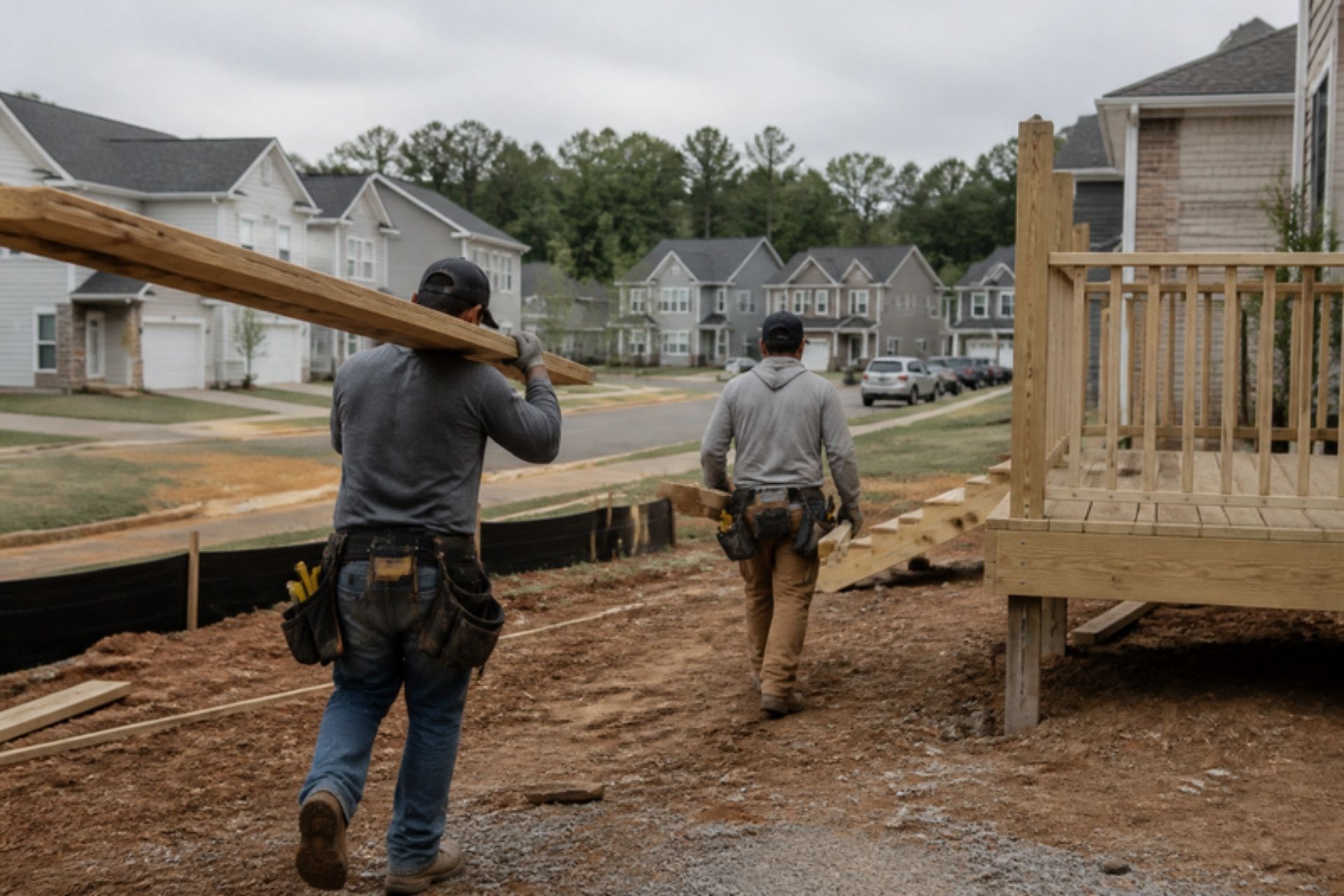
A commercial general liability (CGL) policy in North Carolina typically includes three coverage parts: premises and operations liability, products-completed operations liability, and personal and advertising injury. Medical payments coverage is usually included as well. Each part responds to a different type of claim, and each carries its own limit within the policy's aggregate structure.
- Premises and operations: This part covers injuries or damage occurring at the business location or at a job site while work is underway, such as a homeowner tripping over an extension cord.
- Products-completed operations: This part covers claims arising after a product is sold or a project is finished, such as a deck railing that fails months after installation.
- Personal and advertising injury: This part covers allegations of libel, slander, copyright infringement in advertising, or wrongful eviction.
- Medical payments: This part pays smaller medical bills for injured third parties regardless of fault, which often prevents a lawsuit.
O'Connor Insurance Associates does not issue these policies itself. As an independent agency, it places CGL coverage with various insurance carriers and compares forms, exclusions, and pricing on the client's behalf. Coverage features vary by carrier and by policy form, so the specific endorsements on a quote deserve the same scrutiny as the premium.
General Liability vs. Professional Liability
Contractors and consultants frequently confuse these two coverages. General liability addresses physical harm, while professional liability addresses financial loss caused by errors in advice, design, or services.
| FEATURE | GENERAL LIABILITY (GL) | PROFESSIONAL LIABILITY (PL) |
|---|---|---|
| Core risk | Physical injury or property damage | Errors, omissions, negligent advice |
| Example claim | Ladder falls and damages a client's car | Engineering design causes a costly redesign |
| Who typically needs it | Nearly every business with public contact | Architects, engineers, consultants, design-build firms |
| Required by GC contracts | Almost always | Sometimes, for design work |
| Policy trigger | Usually occurrence-based | Usually claims-made |
North Carolina General Contractor Licensing and Insurance Requirements
North Carolina requires a general contractor license for any single project valued at $40,000 or more. The North Carolina Licensing Board for General Contractors issues licenses in three tiers, and contractors working above the threshold without a license face enforcement action and may struggle to collect payment or secure coverage.
The three license limitations are structured by project value:
- Limited: single projects up to $750,000
- Intermediate: single projects up to $1.5 million
- Unlimited: no project value cap
Licensing and insurance are closely linked in practice, even though the license itself does not hand a contractor a policy. Carriers ask about license status during underwriting, and general contractors verify both licensing and coverage before allowing subcontractors on site. A contractor who has recently moved from Limited to Intermediate work should review policy limits at the same time, because larger projects almost always bring higher contractual insurance requirements.
Rising costs make this review more pressing. Contractor insurance rates in North Carolina increased by approximately 11% between 2025 and 2026. Companies that renew without reviewing classifications, payroll estimates, and subcontractor costs often overpay or, worse, carry a policy that misdescribes their operations and invites a coverage dispute.
Navigating Contract and Certificate Requirements in Charlotte
Charlotte general contractors require specific insurance limits because they carry contractual liability to project owners, lenders, and developers, and they pass those obligations down to every subcontractor. A Certificate of Insurance (COI) is the document that proves a subcontractor's coverage meets those terms before work begins.
On commercial and large residential projects across Mecklenburg and Cabarrus counties, the practical market standard is $1 million per occurrence and $2 million aggregate for general liability. Larger projects frequently require an umbrella on top of that. The contract, not the certificate, governs what is owed, so the insurance section of a subcontract should be reviewed before it is signed rather than after a GC rejects a COI.
North Carolina law places firm guardrails around certificates. Under North Carolina General Statute § 58-3-149, a COI is not a policy and cannot amend coverage, and third parties who demand false information on a certificate face civil penalties of up to $5,000. It is also unlawful for an insurer to issue a COI form unless the Commissioner of Insurance has approved it.
This means a GC cannot simply ask an agent to "add wording" that the policy does not support. O'Connor Insurance Associates helps contractors compare contract language against actual policy endorsements, request missing endorsements from the carrier, and issue accurate certificates quickly. One common mistake is accepting a contract with insurance terms that the current policy cannot satisfy, which only surfaces when a project manager refuses to release a payment.
Additional Insured Endorsements and Waiver of Subrogation
Additional insured status and waiver of subrogation are standard requirements in Charlotte general contractor contracts. Together, they shift liability for a subcontractor's work away from the project owner and GC and onto the subcontractor's insurance carrier, keeping upstream parties protected when a claim arises from that work.
An additional insured endorsement extends the subcontractor's CGL coverage to named parties, typically the GC, the owner, and sometimes the architect or lender. If an injured worker from another trade sues the GC over a hazard the subcontractor created, the GC can tender the claim to the subcontractor's carrier. Contracts often specify the endorsement must apply to both ongoing and completed operations, and many also require coverage to be primary and noncontributory, meaning the subcontractor's policy pays first without seeking contribution from the GC's insurance.
A waiver of subrogation prevents the subcontractor's carrier from recovering its claim payment from the GC or owner after paying a loss. Without it, the contractual risk transfer could unravel through litigation between carriers.
Several details deserve attention:
- Blanket vs. scheduled: Blanket endorsements automatically apply when a written contract requires them, while scheduled endorsements list specific names and must be updated for each project.
- Edition dates: Some contracts require specific ISO form editions, and an older form may not satisfy the requirement.
- Workers compensation: GCs often require a waiver on the workers compensation policy too, which is a separate endorsement.
Completed Operations for North Carolina Contractors
Products-completed operations coverage protects contractors from claims arising after a project is finished and turned over. It responds when work already completed allegedly causes bodily injury or damage to other property, which is when many of the largest construction claims actually surface.
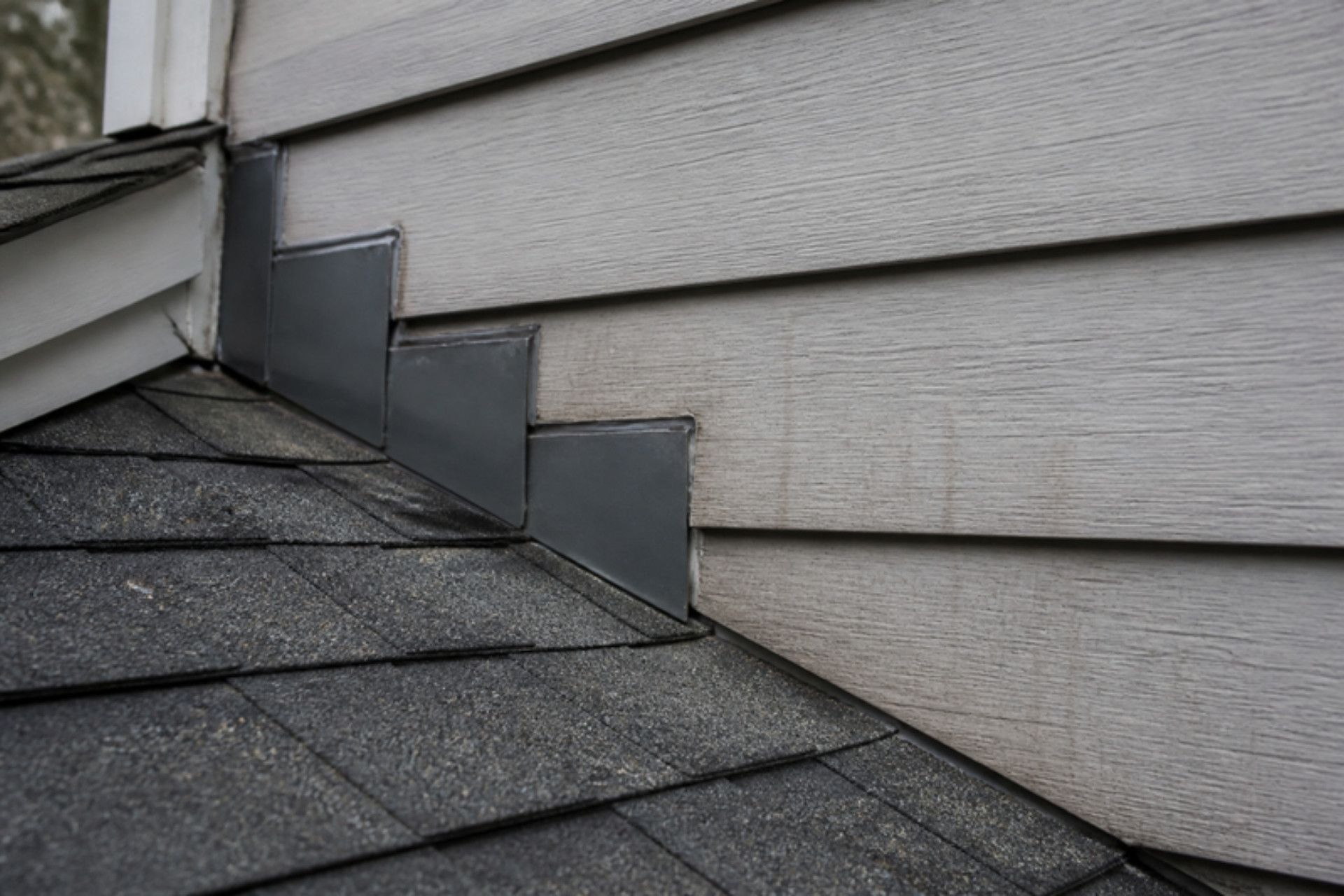
Consider a roofer who completes a job in Huntersville in March. In November, a flashing failure allows water into the building, ruining drywall, flooring, and the owner's inventory. The completed operations coverage, rather than the premises coverage, responds to that claim, and the resulting damage may far exceed the original contract value.
Contractors should understand an important limitation. North Carolina courts generally hold that faulty workmanship itself is not an "occurrence" under CGL policies. In practice, the cost of redoing the defective flashing typically falls on the contractor, while resulting damage to other property may be covered, depending on the policy wording and facts.
Contract duration also matters. Many Charlotte GC contracts require completed operations coverage, including additional insured status, to remain in force for several years after project completion. A contractor who retires, closes the business, or allows a policy to lapse can be left exposed, so continuing coverage or discussing tail options before winding down operations is a decision worth making deliberately.
Common Questions About North Carolina Business Insurance
These FAQs address the questions business owners and contractors raise most often when reviewing commercial coverage. The answers reflect general practice in North Carolina, and specific policy terms always control.
How much general liability coverage does a contractor actually need?
Most commercial and large residential projects in North Carolina call for $1 million per occurrence and $2 million aggregate. The contract may require more, so review it before purchasing limits.
What happens if a contractor is uninsured and causes damage?
The contractor becomes personally responsible for the claim, and the GC or owner may also face exposure. Uninsured contractors are usually barred from sites that verify certificates.
Can a certificate of insurance add coverage I do not have?
No. North Carolina law states a certificate cannot amend a policy, so any missing coverage must be added by endorsement from the carrier.
What is the difference between an agent and a carrier?
The carrier is the insurance company that issues the policy and pays claims. An independent agent, such as O'Connor Insurance Associates, represents several carriers and helps compare options.
Does general liability cover my own tools and equipment?
No. Tools and equipment are typically covered under an inland marine or contractors equipment policy.
Why did my renewal premium go up?
Contractor rates in North Carolina rose roughly 11% from 2025 to 2026, and changes in payroll, revenue, or claims history also affect pricing.
Making the Right Choice for Your North Carolina Business
The right policy starts with the right questions, not the lowest premium. For contractors working across Charlotte, Concord, Cornelius, and Harrisburg, a sound program aligns policy limits with contract requirements, carries the correct additional insured and waiver endorsements, and keeps completed operations coverage in place long after the final invoice.
The most costly gaps tend to appear in the fine print: a scheduled endorsement that names the wrong GC, a policy form that excludes residential work, or a lapse in coverage after a project closes. Reviewing these details annually, and every time a new contract arrives, prevents rejected certificates and denied claims. Approaching north carolina general liability insurance as part of an ongoing review, rather than a once-a-year purchase, keeps a business ready to bid on larger work.
O'Connor Insurance Associates has served Charlotte businesses as an independent agency since 2000 and focuses on educating clients so they understand what each coverage does before they buy. O'Connor Insurance Associates is a licensed North Carolina insurance agency (license #7014004) located at 1973 JN Pease Place, Suite 203, Charlotte, North Carolina 28262. To review a contract's insurance requirements or compare general liability options from multiple carriers, call 704-510-8884 and have the policy built around the work actually being performed.
Coverage descriptions are general. Policy terms, exclusions, limits and underwriting determine coverage.
Last updated:
On this page
O’Connor Insurance Associates is fully licensed to provide personal and commercial insurance solutions for individuals, families and businesses across North Carolina.
We proudly serve families and business owners from our office in Charlotte, North Carolina. As an independent, family-owned agency since 2000, our team works with more than one insurance company to make sure homeowners, drivers, contractors, landscapers, small businesses and other personal and commercial clients receive coverage that fits their real risks.

About the Author
President & Founder
I’m Terry O’Connor, President and Founder of O’Connor Insurance Associates. I grew up in Pennsylvania, earned my bachelor’s degree at Edinboro University and my master’s at Gannon University, and in 1998 I traded snow for sunshine and moved to Charlotte. In January 2000, I started this agency on my own because I wanted to help people protect what matters most to them. More than two decades later, we’ve grown into an independent agency serving families and businesses across North Carolina, and we’ve been recognized as an IIABA Best Practices Agency every year since 2010, a distinction held by fewer than 1% of agencies nationwide.
I’ve seen firsthand how the right protection can change a family’s or a business owner’s life, and that’s why I lead with empathy, education and honest advice. As an independent agent, I work for you, not for one insurance company. I take the time to explain your options in plain language, and when you call our office, you reach a real person who knows your account.
Outside the office, you’ll usually find me outdoors hunting or fishing, or on the mat coaching wrestling as an assistant varsity coach at Mallard Creek High School. I’m also a proud supporter of the arts, usually in the front row cheering on my daughter in local theater productions. I’d be glad to review your coverage with you. Call me at 704-510-8884 or email terry@oianc.com.
Relationships are the real measure
What our North Carolina clients say.
5.0 / 5
185 reviews on Google
Personal insurance
For the life you’re making.
Your home, your car, your time away. Let’s look at the whole picture.
Business insurance
For the business you’re building.
From established local companies to growing teams, we help make the coverage conversation clearer.
Your work deserves a closer look
Different businesses.
Different conversations.
We take time to understand what happens in your business every day.

Landscaping

Manufacturers

Technology Companies

HVAC Insurance

Electricians Insurance

Food Manufacturers
A little clarity goes a long way
Good questions.
Straight answers.
Have something else on your mind?
What does an independent insurance agency do?
An independent agency helps you compare options from more than one insurance company. We start with your needs, explain the differences and help you make an informed decision.
What can O’Connor help me insure?
Our team works with personal and business insurance, life and disability coverage, and Medicare options. Tell us what you need, and we’ll connect you with the right person.
Where does your agency serve clients?
We are based in Charlotte and serve clients across North Carolina. If your business operates in more than one state, call us to discuss your locations and coverage needs.
How do I get an insurance quote?
Start with the contact form or call 704-510-8884. We’ll ask about your situation and any current coverage, then review available options. Submitting a request does not bind coverage.
Can you help with an existing policy or claim?
Yes. Our Client Center page connects you with policy service, billing and claims options. You can also call during office hours for help finding the right next step.
What should I know before switching insurance?
Compare coverage, limits, exclusions and effective dates, not just the price. Speak with your agent before canceling an existing policy so you can coordinate the transition.
From our desk to yours
A little knowledge goes a long way.



Get a Quote
Let’s protect what you’re building.
Tell us a little about yourself. We’ll help you take the next step with a clearer picture of your options.
1973 J.N. Pease Place, Suite 203
Charlotte, NC 28262
Monday–Thursday · 9 AM–5 PM
Friday · 9 AM–3 PM
