

North Carolina landlord insurance protects the owner of a rented home rather than the person living in it. A typical program combines a dwelling fire policy for the structure, loss of rent coverage for interrupted income, and premises liability for tenant and guest injuries. Short-term rental activity usually requires separate endorsements or specialty coverage.
Consider a rental townhome in Huntersville where a kitchen fire forces the tenant to move out for four months. The owner faces repair bills, a mortgage payment that does not pause, and possibly a liability claim if a guest was injured during the incident. Each of those exposures falls under a different part of the insurance program, and a policy that addresses only one of them can leave a significant financial gap. For property owners throughout Charlotte, Concord, Cornelius, and Harrisburg, understanding how these coverage pieces fit together is the difference between a manageable setback and a costly surprise.
Understanding North Carolina Landlord Insurance for Rental Property Owners
Landlord coverage in North Carolina generally insures the rental building, detached structures, owner-supplied appliances, lost rental income after a covered loss, and legal liability arising from the property itself. It does not cover the tenant's belongings. O'Connor Insurance Associates has served rental owners as an independent agency in Charlotte, North Carolina since 2000.
The core distinction that many first-time investors miss is that a homeowners policy assumes the owner lives in the home. Once a property is leased to someone else, the risk profile changes, and most homeowners policies are not designed to respond to that arrangement. Owners who convert a former primary residence into a rental without notifying their carrier are among the most common sources of disputed claims.
A properly structured landlord program typically addresses the following exposures:
- Dwelling coverage: Repairs or rebuilding of the rented structure after a covered loss such as fire, wind, or hail.
- Other structures: Detached garages, sheds, and fences on the rental lot.
- Landlord personal property: Items the owner provides, such as a refrigerator, washer, or lawn equipment.
- Fair rental value: Reimbursement of rent lost while the unit cannot be occupied after a covered claim.
- Premises liability: Defense costs and settlements when a tenant or visitor alleges that a property condition caused an injury.
Tenants remain responsible for insuring their own furniture, clothing, and electronics, which is why many lease agreements in the greater Charlotte area now require renters insurance. The landlord policy and the renters policy work side by side rather than overlapping, and each protects a different party's financial interest in the same address.
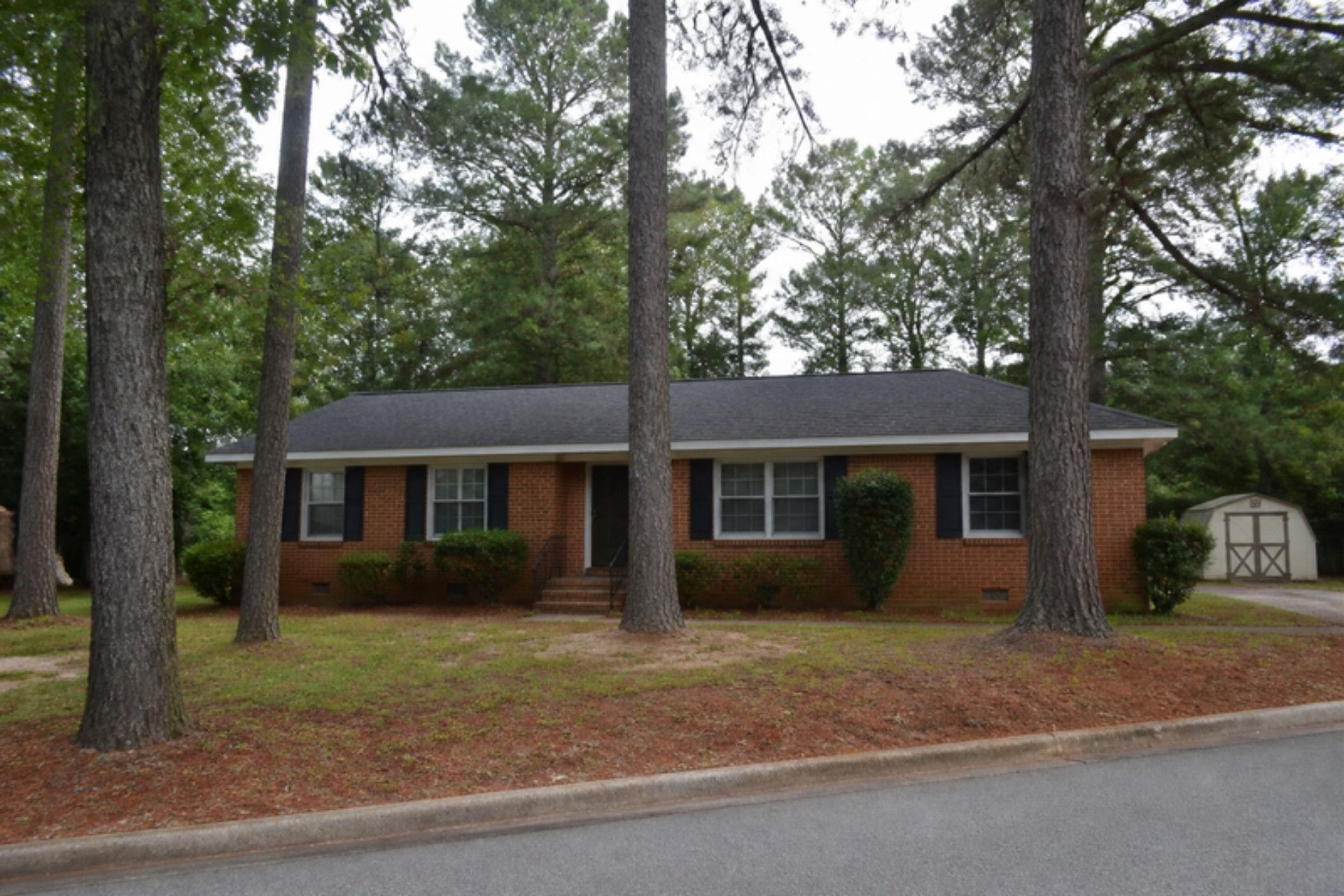
Dwelling Fire Policies for North Carolina Rental Properties
A dwelling fire policy is the standard property form for non-owner-occupied residences in North Carolina. Foremost is one carrier that writes dwelling fire policies in the state. Unlike a homeowners policy, a dwelling fire form often treats liability, theft, and loss of rent as optional additions rather than automatic inclusions.
The homeowners form (commonly the HO-3) bundles dwelling, personal property, loss of use, and personal liability into a single package built around an owner-occupant. Dwelling fire forms, by contrast, are modular. The owner selects the level of property protection and then adds the coverages that match how the property is actually used, which can produce a more precise policy but also creates room for omissions if no one reviews the options carefully.
Foremost is often associated with rental dwellings, seasonal homes, and properties that may not fit a standard homeowners program, although specific eligibility rules, endorsement availability, and pricing depend on the property and current underwriting guidelines. Other carriers also write rental dwelling coverage in North Carolina, and the appropriate fit varies with the age of the home, roof condition, location, and occupancy type.
One recurring problem involves owners who assume that "landlord insurance" automatically includes liability. On many dwelling fire forms, premises liability must be selected and priced separately, and a policy issued without it will not defend a slip-and-fall lawsuit.
DP-1 vs. DP-3 Coverage Comparison
Dwelling fire policies are commonly issued on one of three forms, with the DP-1 and DP-3 representing the basic and most extensive ends of the range. The comparison below reflects typical form structures; actual terms vary by carrier and endorsement.
| Feature | DP-1 (Basic Form) | DP-3 (Special Form) |
|---|---|---|
| Covered causes of loss | Short list of named perils, such as fire, lightning, and internal explosion | Open perils on the dwelling, meaning anything not specifically excluded |
| Loss settlement | Often actual cash value (depreciation deducted) | Often replacement cost on the structure |
| Wind and hail | Frequently available by endorsement | Typically included, subject to wind or hurricane deductibles |
| Fair rental value | Often an optional endorsement | More commonly included or readily added |
| Vandalism | Often optional | Typically included, with vacancy limitations |
| Typical fit | Older or lower-value rentals with limited budgets | Well-maintained rentals where full rebuilding cost matters |
For a Charlotte-area property exposed to summer thunderstorms and occasional remnants of Atlantic hurricanes, the difference between named perils and open perils can determine whether a claim is paid at all. A DP-1 that settles at actual cash value may also leave an owner short of the funds needed to replace a twenty-year-old roof.
Protecting Your Income with Loss of Rent Coverage
Loss of rent coverage, often called fair rental value, reimburses the monthly rent an owner cannot collect while a North Carolina rental is uninhabitable because of a covered claim. It responds only when the underlying damage is covered, and on basic forms it frequently must be added by endorsement.
Industry research confirms that fair rental value is often an optional endorsement rather than a standard feature in basic DP-1 policies. Owners who choose the lowest-priced form without reviewing this detail discover the omission only after a fire or major water loss, when the tenant has moved out and the mortgage, property taxes, and homeowners association dues continue to come due.
The coverage interacts directly with North Carolina habitability law. Because landlords must keep premises fit to live in, a serious covered loss can legally prevent the owner from collecting rent until repairs are complete. In practice, the timeline for a fire restoration in Mecklenburg or Cabarrus County may stretch over several months once adjusting, permitting, contractor scheduling, and inspections are factored in.
Several policy details deserve attention before a loss occurs:
- Time limits: Some forms cap the payment period, so a lengthy rebuild may outlast the benefit.
- Dollar limits: The limit should reflect current market rent, not the rent charged when the policy was first written.
- Covered cause requirement: If the damage results from an excluded event, such as flood without a separate flood policy, rent reimbursement will not apply.
- Vacancy conditions: A unit sitting empty between tenants may not qualify, because there is no rent being lost at the time of the claim.
Reviewing the rent limit at each lease renewal is a simple habit that prevents underinsurance as Charlotte-area rents change.
Liability for Tenants and Guests in North Carolina
Rental owners in North Carolina can be held liable when a tenant or visitor is injured by a property condition the landlord knew about or should have repaired. Premises liability coverage pays defense costs and covered settlements, while the state's Residential Rental Agreements Act defines the property standards courts use to evaluate negligence.
The North Carolina Residential Rental Agreements Act, found in Chapter 42 of the General Statutes, establishes the obligations that shape most landlord liability disputes. Under this framework, landlords must provide fit and habitable premises, maintain common areas, and repair known hazards, including keeping electrical, plumbing, heating, and smoke alarm systems in working order. A failure to meet these duties can become the foundation of a negligence claim after an injury.
The claims that most often arise from rental dwellings include:
- Stair and railing failures: A loose handrail on exterior steps that a tenant reported weeks earlier.
- Trip hazards: Uneven walkways, damaged decking, or broken thresholds.
- Carbon monoxide and smoke alarm issues: Missing or nonfunctioning devices that the statute requires the landlord to provide.
- Dog bite incidents: Injuries involving a tenant's animal, where the landlord's knowledge of the animal may be questioned.
- Mold and water intrusion: Allegations of illness tied to unrepaired leaks.
Liability limits deserve the same scrutiny as property limits. A serious injury can produce medical bills and lost wages that exceed a modest policy limit quickly, which is why many owners with several properties coordinate their landlord liability with a personal umbrella policy. Documenting maintenance requests and repair dates also strengthens the defense of a claim, because it demonstrates that the owner responded to reported hazards within a reasonable time.
Identifying and Closing Short-Term Rental Gaps
Traditional landlord coverage is built for long-term leases, and it may not respond to Airbnb or VRBO stays. Many North Carolina dwelling policies contain business activity exclusions that can lead to denied property and liability claims, so short-term hosts generally need specific endorsements or a dedicated short-term rental policy.
Standard homeowners and many dwelling fire policies explicitly exclude commercial or business activities, and that exclusion can result in a total claim denial when the loss occurs during a paid short-term stay. The issue frequently surfaces when a long-term rental in Cornelius near Lake Norman is converted to nightly bookings during the summer season without any change to the insurance.
Platform protections do not close this gap on their own. Programs such as Airbnb AirCover are contracts of protection rather than regulated insurance, and they may not meet the primary liability needs of the host. They also operate under the platform's own terms, which the owner does not control.
North Carolina law adds another layer. The North Carolina Vacation Rental Act applies to properties rented for fewer than 90 days, requiring fit premises and setting rules for how insurance is offered to guests. Local zoning under the state's development regulation statutes in Chapter 160D may also affect whether short-term rentals are permitted at a given address, and legal commentary has examined the long-term consequences of short-term rentals in North Carolina cities.
Cost expectations matter as well. Specialized short-term rental insurance in North Carolina for 2026 ranges from roughly $2,000 to more than $15,000 annually, with the highest premiums generally found in the Outer Banks and mountain regions. Owners should confirm coverage before accepting the first booking, not after.
Why Use an Independent Agent Instead of Going Direct?
An independent agent can compare rental dwelling options from multiple carriers, while a direct writer can offer only its own policy. For North Carolina landlords whose properties vary in age, location, and occupancy type, that broader access often produces a closer match between the policy and the actual risk.
Direct-writing companies present a single set of underwriting rules. If a rental has an older roof, sits in a wind-exposed area, or alternates between long-term and short-term occupancy, a single carrier may decline it, surcharge it heavily, or issue a form that omits important coverage. An independent agency approaches the same property from the opposite direction, starting with the exposures and then identifying which carriers are positioned to write them.
O'Connor Insurance Associates works with multiple carriers, including Foremost for dwelling fire coverage, and designs landlord programs around the specific property rather than a predetermined package. The agency is not the insurance company; policies are issued by the carriers it represents, and coverage terms depend on each carrier's forms and underwriting approval.
The educational approach matters as much as carrier access. Before a quote is finalized, the agency typically asks questions that many online applications skip: whether the unit is ever rented for fewer than 90 days, how long vacancies usually last, who supplies the appliances, and whether a tenant keeps a dog on the premises. Those answers determine whether the policy needs fair rental value, vacancy provisions, higher liability limits, or a short-term rental endorsement.
For investors with properties spread across Highland Creek, Huntersville, and Concord, an independent agent can also coordinate renewal dates and liability limits across the portfolio, reducing the risk that one property is quietly underinsured.
Common Questions About North Carolina Landlord Insurance
Rental owners in the Charlotte region raise many of the same questions when buying or reviewing coverage. The answers below address the most frequent concerns in plain terms, although the specific policy language and carrier guidelines always control how a particular claim is handled.
Do I need insurance if my tenant has renters insurance?
Yes. Renters insurance protects the tenant's belongings and personal liability, but it does not repair the building or replace the owner's lost rent.
What happens if my tenant does not show proof of renters insurance?
When a lease requires it, North Carolina law allows a landlord to force-place coverage and charge the tenant the actual cost plus an administrative fee capped at $50 per year. The lease terms should clearly describe that requirement.
Can I keep my homeowners policy after I move out and rent the house?
Usually not. Most homeowners policies assume owner occupancy, so the carrier should be notified and the policy converted to a dwelling fire form before the tenant moves in.
Does landlord coverage include flood damage?
No. Flood is excluded from standard dwelling forms and requires a separate flood policy, which is worth considering even outside mapped flood zones.
Is my rental covered while it sits empty between tenants?
Coverage may be restricted after a vacancy period defined in the policy, often affecting vandalism and water damage claims. Owners expecting extended vacancies should discuss a vacancy endorsement.
Will my landlord policy cover a weekend Airbnb guest?
Often it will not, because many dwelling policies exclude business activity. A short-term rental endorsement or dedicated policy is generally required.
Making the Right Choice for Your Rental Business
Choosing rental property coverage in North Carolina means matching the dwelling form, rent protection, liability limits, and occupancy endorsements to how each property actually operates. A licensed independent agency can review those details, compare carriers, and identify gaps before a claim exposes them.
The most expensive mistakes in landlord insurance rarely involve the premium. They involve a DP-1 that settled a roof claim at depreciated value, a missing fair rental value endorsement during a four-month rebuild, a liability limit that fell short after a serious fall, or a lake house that quietly moved to nightly bookings without a policy change. Each of these gaps is preventable with a careful review of the full text of the Chapter 42 obligations, including the provisions in the complete Landlord and Tenant chapter, and of the policy itself.
Owners should revisit coverage whenever a lease renews, rents increase, a property is renovated, or the rental strategy shifts between long-term and short-term occupancy.
O'Connor Insurance Associates is a licensed North Carolina insurance agency (license #7014004) that helps rental owners throughout the greater Charlotte area compare dwelling fire, loss of rent, liability, and short-term rental options from multiple carriers. Property owners may visit the office at 1973 JN Pease Place, Suite 203, Charlotte, North Carolina 28262, or call 704-510-8884 to schedule a coverage review before the next lease is signed.
Coverage descriptions are general. Policy terms, exclusions, limits and underwriting determine coverage.
Last updated:
On this page
O’Connor Insurance Associates is fully licensed to provide personal and commercial insurance solutions for individuals, families and businesses across North Carolina.
We proudly serve families and business owners from our office in Charlotte, North Carolina. As an independent, family-owned agency since 2000, our team works with more than one insurance company to make sure homeowners, drivers, contractors, landscapers, small businesses and other personal and commercial clients receive coverage that fits their real risks.

About the Author
President & Founder
I’m Terry O’Connor, President and Founder of O’Connor Insurance Associates. I grew up in Pennsylvania, earned my bachelor’s degree at Edinboro University and my master’s at Gannon University, and in 1998 I traded snow for sunshine and moved to Charlotte. In January 2000, I started this agency on my own because I wanted to help people protect what matters most to them. More than two decades later, we’ve grown into an independent agency serving families and businesses across North Carolina, and we’ve been recognized as an IIABA Best Practices Agency every year since 2010, a distinction held by fewer than 1% of agencies nationwide.
I’ve seen firsthand how the right protection can change a family’s or a business owner’s life, and that’s why I lead with empathy, education and honest advice. As an independent agent, I work for you, not for one insurance company. I take the time to explain your options in plain language, and when you call our office, you reach a real person who knows your account.
Outside the office, you’ll usually find me outdoors hunting or fishing, or on the mat coaching wrestling as an assistant varsity coach at Mallard Creek High School. I’m also a proud supporter of the arts, usually in the front row cheering on my daughter in local theater productions. I’d be glad to review your coverage with you. Call me at 704-510-8884 or email terry@oianc.com.
Relationships are the real measure
What our North Carolina clients say.
5.0 / 5
185 reviews on Google
Personal insurance
For the life you’re making.
Your home, your car, your time away. Let’s look at the whole picture.
Business insurance
For the business you’re building.
From established local companies to growing teams, we help make the coverage conversation clearer.
Your work deserves a closer look
Different businesses.
Different conversations.
We take time to understand what happens in your business every day.

Landscaping

Manufacturers

Technology Companies

HVAC Insurance

Electricians Insurance

Food Manufacturers
A little clarity goes a long way
Good questions.
Straight answers.
Have something else on your mind?
What does an independent insurance agency do?
An independent agency helps you compare options from more than one insurance company. We start with your needs, explain the differences and help you make an informed decision.
What can O’Connor help me insure?
Our team works with personal and business insurance, life and disability coverage, and Medicare options. Tell us what you need, and we’ll connect you with the right person.
Where does your agency serve clients?
We are based in Charlotte and serve clients across North Carolina. If your business operates in more than one state, call us to discuss your locations and coverage needs.
How do I get an insurance quote?
Start with the contact form or call 704-510-8884. We’ll ask about your situation and any current coverage, then review available options. Submitting a request does not bind coverage.
Can you help with an existing policy or claim?
Yes. Our Client Center page connects you with policy service, billing and claims options. You can also call during office hours for help finding the right next step.
What should I know before switching insurance?
Compare coverage, limits, exclusions and effective dates, not just the price. Speak with your agent before canceling an existing policy so you can coordinate the transition.
From our desk to yours
A little knowledge goes a long way.



Get a Quote
Let’s protect what you’re building.
Tell us a little about yourself. We’ll help you take the next step with a clearer picture of your options.
1973 J.N. Pease Place, Suite 203
Charlotte, NC 28262
Monday–Thursday · 9 AM–5 PM
Friday · 9 AM–3 PM
